Common Garage Door Problems to Avoid During the Winter in Kentucky
Winter in Kentucky is unpredictable. One week may bring mild temperatures and rain, while the next delivers freezing nights, moisture, and sudden cold snaps. And if you’re a homeowner in Paducah or elsewhere in Western Kentucky, these conditions can take a serious toll on garage doors—often at the worst possible time.
Understanding the most common winter garage door problems can help you avoid costly and untimely breakdowns, stay safe, and know when it’s time to call a professional. At
Preferred Doors, we work with Kentucky homeowners year-round and see first-hand how winter weather affects garage door systems.
Why Kentucky’s Winter Weather Is Particularly Challenging for Garage Doors
Unlike northern states with long periods of consistent cold, Kentucky winters are defined by freeze–thaw cycles, high humidity, and frequent temperature swings. It’s not uncommon for temperatures to shift from 15°F to 45°F within a few days.
These rapid changes affect garage doors in several ways:
- Metal contracts and expands, throwing doors out of alignment
- Rubber seals stiffen or crack, allowing moisture intrusion
- Lubricants thicken, increasing friction and resistance
- Condensation forms, leading to frozen components and sensor issues
Because of these variables, garage doors in Western Kentucky require region-specific care—and local expertise is critical.
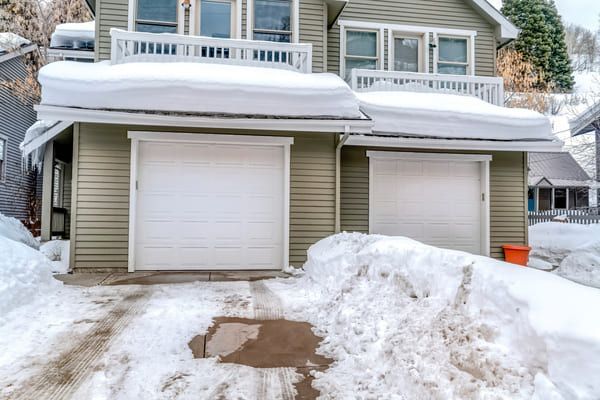
How to Diagnose Your Garage Door Problems in Cold Weather
Before assuming the worst, a simple diagnostic check can help narrow down the issue.
Start by disconnecting the opener using the emergency release cord and lifting the door manually:
- Door feels extremely heavy: Likely a spring issue
- Door sticks or resists movement: Lubrication, track, or ice buildup
- Door moves smoothly by hand: Opener or sensor problem
Next, perform a visual and auditory inspection:
- Look for ice buildup, cracked seals, bent tracks, or loose hardware
- Listen for grinding, scraping, popping, or rattling sounds
These clues help determine whether a DIY fix is possible or professional service is needed.
9 Most Common Winter Garage Door Problems in Kentucky (And How to Fix Them)
Problem #1: Garage Door Won’t Close When Cold (Contracted Metal Parts)
Cold temperatures cause metal components—springs, tracks, hinges, and fasteners—to contract. Even small shifts can prevent the door from closing fully or cause it to reverse.
DIY solutions:
- Warm the garage slightly with a space heater for 20–30 minutes
- Apply a silicone-based lubricant to hinges, rollers, springs, and tracks
Call Preferred Doors if:
You notice visible track misalignment, warping, or repeated reversal despite lubrication. These are not easy DIY issues to fix
Problem #2: Garage Door Stops While Opening (Frozen or Hardened Lubricant)
Many homeowners unknowingly use WD-40 or general-purpose grease, which stiffens in cold weather.
Symptoms: Jerky movement, grinding noises, door stopping mid-cycle
DIY solutions:
- Remove old lubricant with a dry cloth or mild solvent
- Apply a winter-rated silicone spray or white lithium grease
- Focus on rollers (metal only), hinges, springs, and bearings
⚠️ Avoid over-lubricating—excess grease attracts dirt and worsens problems.
Problem #3: Garage Door Frozen to the Ground
Water and snow can accumulate at the base of the door and freeze overnight, bonding the bottom seal to the concrete.
Safe fixes:
- Pour warm (not boiling) water along the seal
- Use a hair dryer to melt ice gradually
- Gently chip ice with a plastic scraper
Prevention tips:
Clear snow promptly and apply silicone spray to the bottom seal.
Problem #4: Broken or Weakened Garage Door Springs
Cold accelerates metal fatigue in springs, especially those nearing the end of their lifespan (typically 7–9 years).
Warning signs:
- Loud bang from the garage
- Door feels extremely heavy
- Door won’t lift or cables appear loose
🚫 Never attempt spring repairs yourself. This is always a professional job!
Problem #5: Damaged or Cracked Weatherstripping
Weatherstripping keeps out moisture, drafts, and pests—but cold makes rubber brittle.
Signs of failure:
- Cracks or tears in the bottom seal
- Daylight visible under the door
- Cold air drafts and rising energy bills
Replacing damaged weatherstripping is a relatively simple fix to help prevent freezing and keep a garage warm in winter.
Problem #6: Malfunctioning Garage Door Opener in Cold Weather
Cold thickens internal grease and reduces battery performance.
DIY troubleshooting:
- Replace remote and keypad batteries
- Clean and realign photo-eye sensors
- Check force settings per manufacturer guidelines
If the opener smells burnt, grinds loudly, or won’t engage, professional service is needed.
Problem #7: Condensation and Frost on Safety Sensors
Rapid temperature changes cause condensation, which then freezes and interrupts the sensor beam.
Fixes:
- Wipe lenses with a soft, dry cloth
- Gently warm sensors with a hair dryer
- Ensure indicator lights are steady (blinking often means misalignment)
Problem #8: Garage Door Track Misalignment or Warping
Freeze–thaw cycles can subtly bend tracks or loosen mounting hardware.
Watch for: Scraping sounds, shaking, visible gaps
Minor alignment checks are okay, but significant warping requires
professional garage door repair.
Problem #9: Frozen Door Panels (Moisture Between Sections)
Moisture trapped between door panels can freeze, preventing proper curvature along the track.
Safe solutions:
- Warm the garage gradually
- Use a hair dryer along panel seams
- Insulated doors help reduce condensation
and freezing.
Note: Follow our winter garage door preparation guide to be prepared before the problem arise.
How to Keep a Garage Warm in the Winter
Garage temperature plays a major role in door performance. In Kentucky, an uninsulated garage is typically only 10–20°F warmer than outdoor temperatures, while insulated garages stay significantly warmer and more stable.
Effective strategies include:
- Insulating the garage door (largest heat-loss area)
- Sealing gaps with weatherstripping
- Insulating walls and ceilings in attached garages
- Using space heaters safely
- Keeping the interior door closed
A warmer garage reduces metal stress, prevents lubricant hardening, and extends component life.
Schedule a Winter Garage Door Inspection in Paducah, KY and Surrounding Areas
Preventing winter garage door problems is far less expensive than emergency repairs. A professional inspection can identify worn springs, alignment issues, and seal failures before they cause breakdowns.
Contact Preferred Doors today to schedule your winter inspection or repair service in Paducah and Western Kentucky. Our experienced technicians are ready to help keep your garage door operating safely and reliably all season long.
Frequently Asked Questions
Q.1. How do you lubricate a garage door in cold weather?
Answer: Use a silicone-based lubricant on hinges, rollers, springs, and bearings. Avoid WD-40.
Q.2. When should I use silicone lubricant?
Answer: Anytime temperatures approach freezing—silicone stays flexible in cold weather.
Q.3. Will insulating a garage door keep cold out?
Answer: Yes. Insulation stabilizes temperatures, reduces condensation, and improves performance.